Tragamonedas y bonos en Pin Up casino: cómo ganar más en 2026
El mundo de los casinos en línea ha evolucionado de manera significativa, y en 2026, los jugadores tienen más oportunidades...
Read More +
A perianal fistula is a small, abnormal tunnel that forms between the inside of the anus and the skin around the anal area. It usually develops after an anal infection or abscess that does not heal completely. This condition can cause pain, swelling, itching, and continuous or occasional discharge near the anus. Without proper care, symptoms often worsen over time.
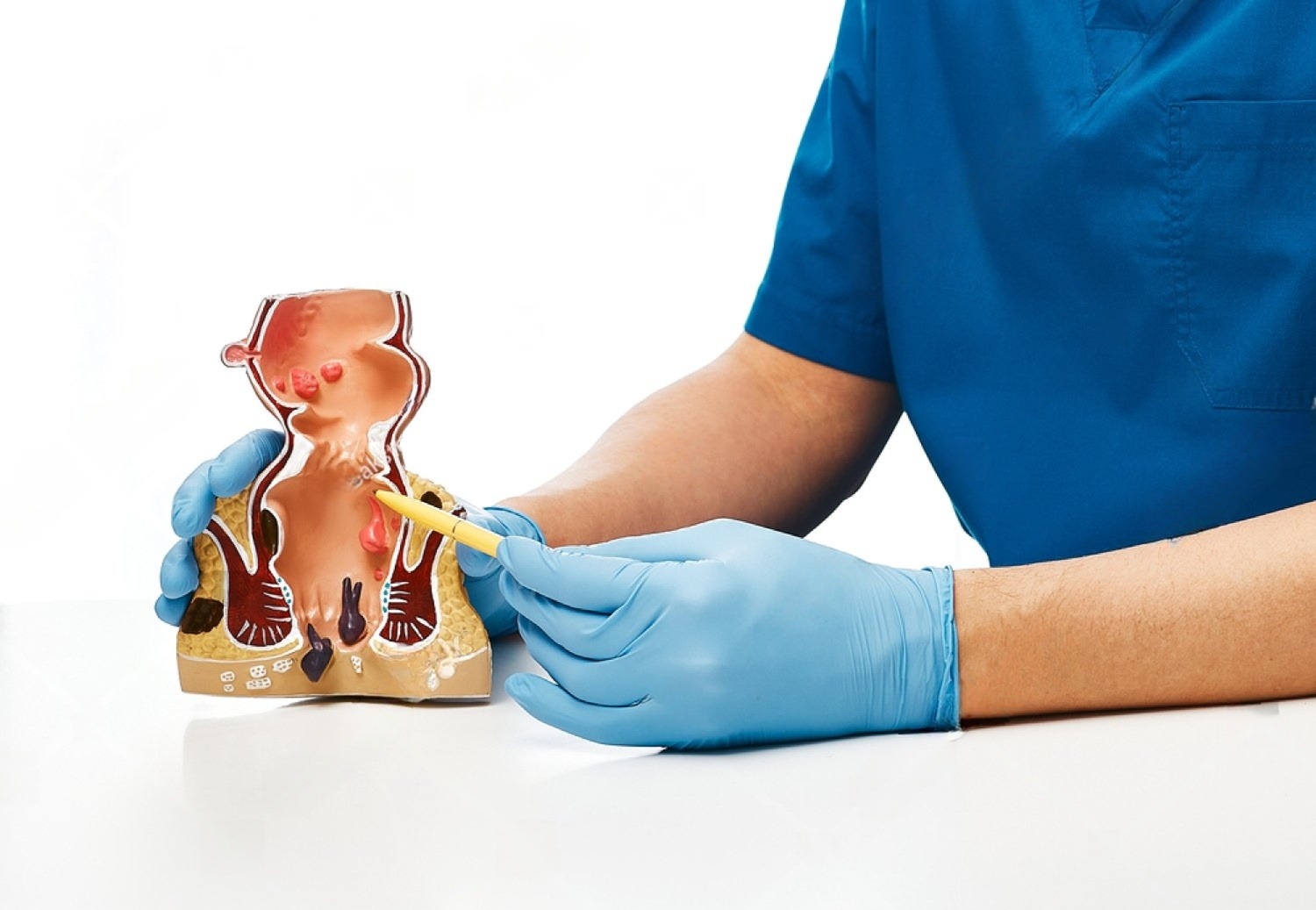
Anatomical Illustration:
A simple, patient-friendly diagram showing the anal canal, fistula tract, and external opening on the skin.
A fistula does NOT heal on its own — expert medical treatment is essential.
The Parks Classification is the most widely used system by surgeons worldwide. It categorizes fistulas based on their relationship to the anal sphincter muscles.
The fistula tract runs within the intersphincteric plane between the internal and external sphincters.
Typically has a single tract with a straightforward course
The tract passes through the external sphincter
Extends into the ischioanal (ischiorectal) fossa
Higher risk of muscle damage if not managed carefully
The tract ascends above the puborectalis sling after traversing the intersphincteric space
Curves around the sphincter complex before opening externally
Originates above the sphincter complex, usually from pelvic pathology (e.g. trauma, Crohn’s disease, prior surgery)
Bypasses the anal canal entirely
This MRI-based classification helps surgeons understand fistula complexity and hidden extensions before surgery.
Single, straight tract
No abscess or secondary branches
Presence of pus collection or branching
Requires careful drainage and planning
Tract crosses the external sphincter
No abscess or secondary extension
More extensive disease
Higher recurrence risk if not fully treated
Fistula extends above the levator ani
May bypass the anal canal
This practical classification helps determine treatment intensity and risk.
Single, non-branching tract
No associated Crohn’s disease or tuberculosis
No history of recurrent or previously operated fistula
High transsphincteric, suprasphincteric, or extrasphincteric fistula
Multiple tracts, horseshoe extensions, or supralevator spread
Associated with Crohn’s disease, tuberculosis, radiation, or malignancy
Anatomical diagrams for each fistula type
MRI-based illustrations for complex extensions
Helps patients understand their condition and treatment plan
A perianal fistula develops when a chronic infection near the anus fails to heal completely, leading to formation of an abnormal tunnel between the anal canal and the skin. Understanding the cause is important for choosing the right treatment and preventing recurrence.
Accounts for ~75% of cases
Small glands (anal crypts) inside the anal canal help with lubrication
Blockage of these glands allows bacteria to multiply, leading to an anal abscess
If the abscess drains spontaneously or is inadequately treated, a persistent fistula tract may form
Crohn’s disease is a chronic inflammatory bowel disease.
Chronic inflammation weakens intestinal and perianal tissues
Leads to:
Multiple fistula tracts
Recurrent abscesses
Poor wound healing
Tuberculosis can affect organs outside the lungs, including the perianal region
TB-related fistulas:
Heal poorly
Often recur after surgery if TB is untreated
May have multiple external openings
Injury to the anal canal or perianal tissues due to:
Previous anorectal surgeries
Obstetric trauma
Accidental or iatrogenic injury
Can disrupt normal anatomy, leading to infection and fistula formation
Can disrupt normal anatomy and lead to infection and fistula formation.
Radiation therapy: Causes tissue damage and poor healing
Hidradenitis suppurativa: Chronic inflammatory skin disease involving sweat glands
Sexually transmitted infections (STIs): Rare cause, more likely in immunocompromised individuals
Certain conditions make individuals more prone to developing fistulas or impair healing:
Diabetes mellitus – poor immunity and delayed wound healing
Immunocompromised states – HIV, chemotherapy, long-term steroid use
Accurate diagnosis is the most critical step in the successful treatment of perianal fistula. Missed tracts, hidden abscesses, or secondary extensions can lead to recurrence even after surgery. Therefore, diagnosis usually involves a combination of careful clinical examination and advanced imaging, especially MRI.
The doctor inspects the area around the anus.
Looks for:
External opening (small hole on skin)
Discharge of pus or stool
Redness, swelling, or induration
Scar marks from previous abscess or surgery
A gloved finger is gently inserted into the rectum.
Helps assess:
Possible internal opening
Tenderness
Induration along the fistula tract
Anal sphincter tone
A thin, flexible probe may be gently inserted into the external opening.
Helps identify:
Direction of the fistula tract
Approximate location of internal opening
Provides a three-dimensional map of the fistula
Identifies:
Primary tract
Secondary tracts
Horseshoe extensions
Abscesses
T2-weighted images: Bright signals indicate pus or active infection
Axial views: Relationship with internal and external sphincters
Coronal views: Height of tract and supralevator extension
Internal and external anal sphincter integrity
Sphincter defects (important in recurrent or post-surgery cases)
Less effective in detecting:
Complex tracts
High or supralevator fistulas
Multiple extensions
Identifies:
Internal opening of fistula
Associated hemorrhoids
Anal fissures or inflammation
Pain-free, thorough examination
Allows:
Gentle probing
Injection of dye (methylene blue or hydrogen peroxide)
Confirmation of internal opening
Detection of hidden tracts


No – medicine alone cannot cure
Chronic infection, extension, rare cancer risk
Modern techniques minimize pain
Sphincter-sparing techniques protect continence
Most patients recover within 2–4 weeks, while complex cases may take up to 3 months.
While fistula recurrence can happen, careful evaluation, MRI-based planning, and personalized treatment greatly improve long-term outcomes.
Anal fissure is a small tear in the lining of the anal canal that causes severe pain and bleeding during bowel movements and often heals with medicines and lifestyle changes.
Anal fistula is an abnormal tunnel between the anal canal and skin, usually causing pus discharge and recurrent infection, and always requires surgery for cure.
B-1/1040 Hambran Rd Near Old Dandi Swami Mandir, New Deep Nagar, Civil Lines, Ludhiana, Punjab 141001