VAAFT (Video-Assisted Anal Fistula Treatment)
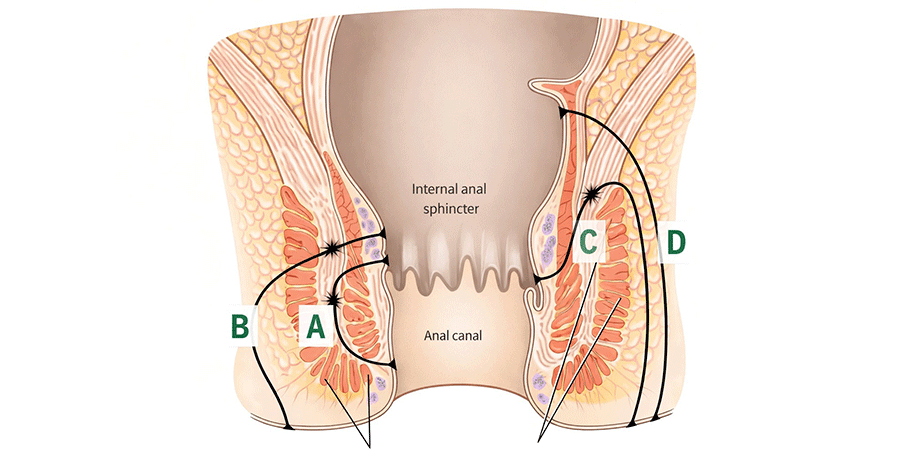
VAAFT (Video-Assisted Anal Fistula Treatment)
VAAFT (Video-Assisted Anal Fistula Treatment) is a modern, minimally invasive technique used to treat anal fistulas with high precision and minimal discomfort. Unlike conventional fistula surgeries that involve cutting healthy tissue, VAAFT allows the surgeon to treat the fistula tract from inside using a tiny camera, preserving the anal sphincter and reducing the risk of complications.
This advanced procedure is especially beneficial for complex, recurrent, or high fistulas, offering faster recovery and better long-term outcomes.
Procedure
VAAFT is performed using a specialized fistuloscope, a thin, high-definition camera that allows real-time visualization of the fistula tract.
Identification of the Fistula Tract
A fistuloscope is gently inserted through the external opening of the fistula. The internal anatomy is displayed clearly on a monitor, helping the surgeon identify the complete tract and its internal opening.
Direct Visualization & Cleaning
Under video guidance, infected tissue, pus, and granulation tissue inside the fistula are carefully removed. This ensures complete clearance of infection without damaging surrounding muscles.
Closure of Internal Opening
Once the tract is cleaned, the internal opening of the fistula is securely closed to prevent recurrence.
Tract Ablation
The fistula tract is sealed from within using controlled energy, allowing it to heal naturally.
Visual Advantage:
Because the surgeon can see the fistula from inside, the chances of missing hidden branches are significantly reduced, improving success rates.
Benefits of VAAFT
- Minimally invasive procedure
- No cutting of anal muscles
- Preserves sphincter function
- Minimal pain and bleeding
- Lower risk of incontinence
- High success rate for complex fistulas
- Faster healing compared to traditional surgery
- Reduced recurrence rates
- Suitable for recurrent and high anal fistulas
VAAFT offers a safe and effective alternative to conventional fistula surgeries, especially when precision is crucial.
Our Edge: Minimal Pain, Better Healing
We specialize in advanced proctology procedures with a strong focus on patient comfort and long-term results.
Why Choose Us for VAAFT?
- Experienced surgeon trained in advanced fistula management
- Use of latest VAAFT technology and equipment
- Personalized treatment planning
- Minimal tissue damage and faster healing
- High success rate even in complex cases
- Emphasis on sphincter preservation and safety
Our approach ensures minimal pain, better healing, and faster return to normal life.
Recovery & Post-Operative Care
One of the biggest advantages of VAAFT is its quick and comfortable recovery.
After the Procedure:
- Most patients are discharged the same day or within 24 hours
- Pain is usually mild and manageable with basic medications
- No large wounds or open cuts
Recovery Timeline:
- Return to daily activities within 2–3 days
- Complete healing typically occurs over 2–4 weeks
- Minimal restriction on routine movement
Post-Op Care Instructions:
- Maintain proper anal hygiene
- Take prescribed antibiotics and pain relief as advised
- Follow a high-fiber diet to avoid constipation
- Adequate hydration is recommended
- Attend scheduled follow-up visits
Frequently Asked Questions
Is VAAFT painful?
VAAFT causes minimal pain compared to conventional fistula surgery. Most patients report mild discomfort that is easily manageable.
How long does the VAAFT procedure take?
The procedure usually takes 45–90 minutes, depending on the complexity of the fistula.
Will there be any cuts or stitches?
No major cuts are made. The procedure is performed internally using a fistuloscope, resulting in minimal external wounds.
Is VAAFT safe for complex or recurrent fistulas?
Yes, VAAFT is especially effective for complex, branching, or recurrent anal fistulas.
What is the success rate of VAAFT?
When performed by experienced surgeons, VAAFT offers a high success rate with low recurrence.
Will VAAFT affect bowel control?
No. Since the anal sphincter muscles are preserved, the risk of incontinence is extremely low.
When can I return to work?
Most patients can return to work within 2–3 days, depending on comfort levels.